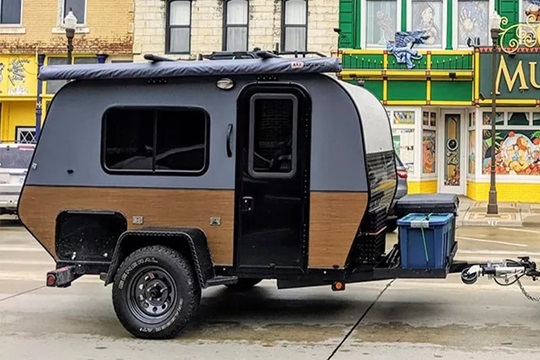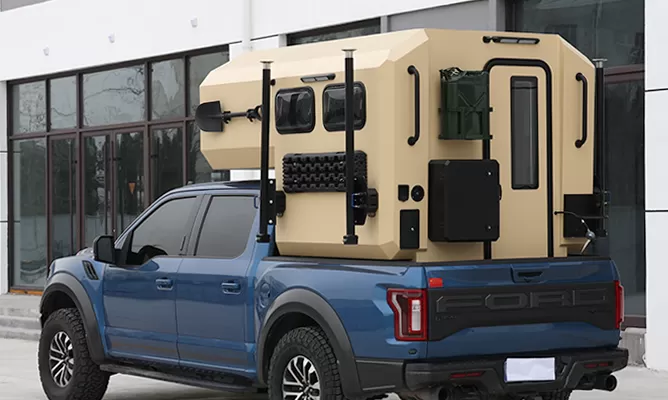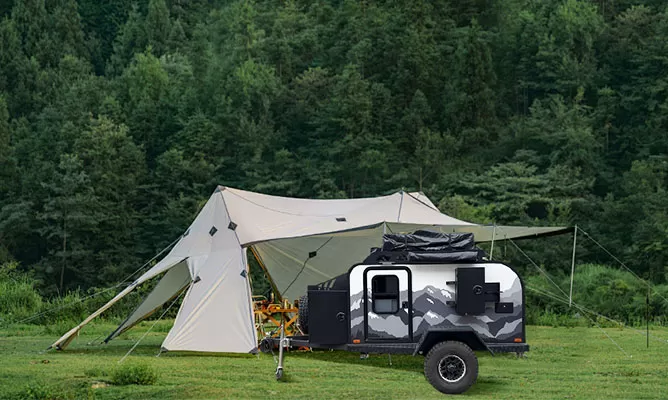

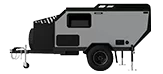

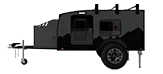
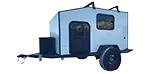
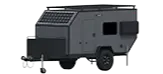
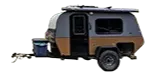
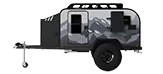
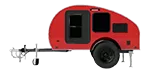


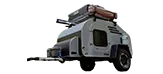
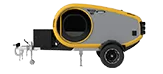
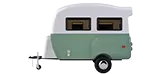
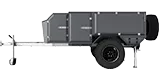
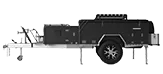

Teardrop trailers have become a practical choice for travelers who want a lightweight camper without the complexity of a large RV. Their compact size, lower towing weight, and flexible layouts make them suitable for weekend camping, overland trips, and even small rental businesses.
However, not every trailer fits every traveler. Before placing an order, buyers should carefully evaluate towing compatibility, interior layouts, construction quality, and long-term usability. Understanding these factors can help avoid unnecessary costs and ensure the trailer matches real travel needs.
Why Custom Teardrop Trailers Are Becoming More Popular
The growing popularity of teardrop campers is closely connected to changing travel habits. More travelers are choosing short outdoor trips, remote camping experiences, and fuel-efficient towing solutions instead of large motorhomes.
According to the RV Industry Association (RVIA), over 313,000 towable RVs were shipped in North America in 2023, showing continued demand for compact trailers and lightweight camping solutions. Lightweight campers are especially attractive to SUV owners because many can be towed without upgrading to a heavy-duty truck.
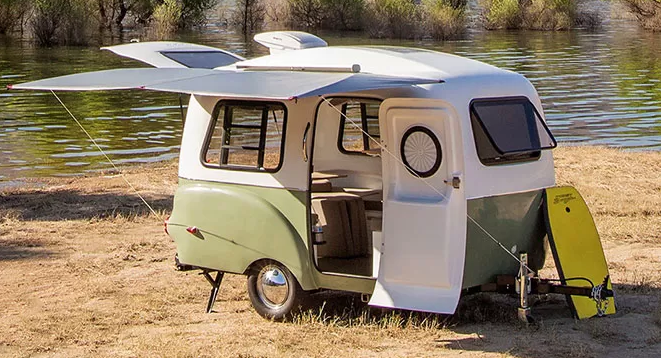
Another reason buyers prefer custom models is flexibility. A standard camper may offer fixed layouts, while a custom teardrop trailer for sale can be configured for different travel styles, including solo adventures, couple travel, family camping, or rental fleet operations.
Manufacturers now provide more personalized options than before, including:
Rear kitchen modules
Solar power systems
Roof racks
Convertible sleeping spaces
Storage upgrades
Bathroom configurations
This shift reflects a broader trend toward personalized outdoor equipment rather than one-size-fits-all RV designs.
Understand Your Vehicle’s Towing Capacity Before You Buy
One of the most common mistakes first-time buyers make is choosing a trailer before checking towing capacity. The U.S. Department of Transportation notes that overloaded towing setups can reduce braking efficiency, increase tire stress, and negatively affect vehicle handling. That is why matching trailer weight with vehicle capability should always come first.
Most compact teardrop trailers are significantly lighter than traditional travel trailers. Many lightweight models fall between 1,000 and 2,000 pounds before cargo and water are added. However, the actual towing weight also depends on:
Water tank capacity
Battery systems
Camping gear
Kitchen equipment
Rooftop accessories
The table below shows common towing compatibility examples.
| Vehicle Type | Typical Towing Capacity | Suitable Trailer Type |
| Compact SUV | 1,500–3,500 lbs | Lightweight teardrop camper |
| Mid-size SUV | 3,500–5,000 lbs | Off-road teardrop trailer |
| Pickup Truck | 5,000+ lbs | Large teardrop camper with bathroom |
Before ordering, buyers should also consider tongue weight, brake controller requirements, and fuel efficiency during towing.
Choose the Right Custom Teardrop Trailer Layout for Your Travel Style
Layout decisions have a major impact on comfort during real-world travel. Some travelers only need a compact sleeping area for short weekend trips. Others may require additional storage, cooking space, or off-grid systems for extended travel. A well-designed teardrop camper should balance sleeping comfort, organization, and accessibility without making the trailer unnecessarily heavy.
Common layout considerations include:
Sleeping and Living Space
Single-bed layouts work well for solo travelers, while double-bed or convertible seating arrangements are more practical for couples and small families.Rear Kitchen Design
Rear hatch kitchens remain one of the most popular features in modern teardrop campers. They allow users to cook outdoors while maximizing interior sleeping space.Bathroom Options
Some larger teardrop campers now include compact bathroom solutions, which can improve convenience during long-distance travel.Storage Efficiency
Integrated cabinets, under-bed storage, and roof rack systems help maximize usable space without overcrowding the cabin.Off-Grid Capability
Solar panels and battery systems are increasingly important for travelers who camp in remote areas without electrical hookups.Choosing the right layout early prevents expensive modifications later.
Key Features to Look for in a Custom Built Teardrop Camper
Not all campers offer the same level of functionality. Buyers should focus on practical features that improve long-term usability rather than cosmetic upgrades alone. Important features include:Rear kitchen modules for outdoor cooking
Roof racks for bikes, kayaks, or cargo boxes
Solar power systems for off-grid camping
Ventilation systems for temperature control
Waterproof storage compartments
Insulated walls for seasonal travel
Convertible seating and sleeping arrangements
Some manufacturers also offer modular customization, allowing buyers to adjust energy systems, storage capacity, and interior finishes according to specific travel needs. For example, aiymen provides multiple configuration options for both personal buyers and dealership partners, including compact camping trailers, overland-ready units, and OEM/ODM customization programs for international markets.
When evaluating options, buyers should prioritize long-term practicality instead of selecting features that may rarely be used.
Why Build Quality Matters in Lightweight Teardrop Campers
A lightweight trailer should still maintain structural reliability over years of travel. Construction quality directly affects towing stability, insulation performance, water resistance, and maintenance costs. Poor manufacturing standards can lead to leaks, frame issues, or premature wear after repeated highway use.
Many modern teardrop trailer manufacturers now use aluminum framing because it provides a strong strength-to-weight ratio while resisting corrosion better than traditional steel structures.
CNC-cut panels have also become more common because they improve assembly precision and reduce structural inconsistencies between units.
Reliable manufacturers typically perform multiple quality-control inspections, including:
Waterproof testing
Towing stability tests
Electrical system inspections
Structural reinforcement checks
Aiymen uses lightweight aluminum framing, reinforced joints, and CNC-cut construction methods to improve durability while keeping towing weight manageable. These engineering choices are especially important for travelers who frequently drive on highways or light off-road terrain.
Long-term durability often matters more than saving money upfront on lower-quality trailers.
How Aiymen Supports Custom Teardrop Trailer Buyers and Dealers
Choosing the right supplier is just as important as choosing the trailer itself. Aiymen offers flexible customization programs for both individual buyers and international dealers. The company supports OEM and ODM manufacturing, allowing partners to customize logos, decals, packaging, interior finishes, and trailer configurations for specific regional markets.
In addition to custom production, the company provides:
Stable manufacturing capacity
Engineering support for new trailer designs
Quality-control inspections
Flexible wholesale cooperation plans
Long-term supply chain support
This combination of customization and manufacturing support makes teardrop campers suitable not only for personal outdoor travel but also for rental businesses and dealership operations.