



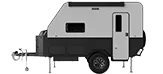

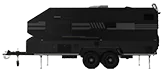

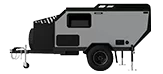


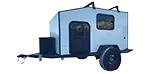












Remote travel places far greater demands on a caravan than ordinary highway touring. Corrugated tracks, rocky trails, river crossings, heat, dust, and constant vibration can quickly expose weaknesses in poor construction. For travelers planning long-distance expeditions, durability becomes one of the most important factors when choosing a caravan.
A well-built off-road caravan is designed to handle these conditions repeatedly without compromising safety or comfort. Achieving this level of reliability requires careful engineering, material selection, and structural design rather than cosmetic upgrades alone.
Understanding what contributes to long-term durability can help buyers make better decisions before investing in a caravan intended for remote travel.
Why Durability Is Critical for Off-Road Travel
Unlike standard recreational caravans, off-road models are exposed to continuous structural stress. Rough terrain generates repeated impacts that affect the chassis, suspension, joints, and interior fittings over time.
Travelers operating in isolated areas may also have limited access to repair services. A structural failure hundreds of miles from a service center can quickly become both expensive and dangerous.
Durability is not only about surviving extreme terrain once. The real goal is maintaining structural integrity after years of repeated travel across demanding environments.
How Reinforced Chassis Design Improves Structural Strength
The chassis is often considered the foundation of an off-road caravan. A poorly designed frame may flex excessively on rough tracks, increasing the risk of cracks, instability, or towing problems.
High-quality off-road caravans typically use reinforced chassis systems designed to distribute stress more evenly across the structure. Important chassis considerations include:
Reinforced steel or aluminum frameworks
Strengthened drawbars
Cross-member support systems
Balanced weight distribution
Corrosion-resistant coatings
Structural rigidity is especially important when caravans travel across uneven surfaces where one wheel may experience more force than the others.
The table below outlines how reinforced chassis engineering improves long-term off-road performance.
| Chassis Feature | Benefit for Off-Road Travel |
| Reinforced frame structure | Improves structural stability |
| Cross-member support | Reduces flex on uneven terrain |
| Corrosion-resistant coating | Protects against moisture and mud |
| Balanced weight distribution | Improves towing control |
| Heavy-duty drawbar | Enhances towing durability |
Well-engineered chassis systems also help improve towing confidence during long-distance travel, especially when carrying additional water tanks, batteries, or expedition equipment.
The Importance of Suspension Systems on Uneven Terrain
Suspension performance directly affects caravan stability, ride comfort, and long-term durability.
On rough roads, inadequate suspension systems transfer excessive vibration into the caravan body. Over time, this can loosen fittings, damage cabinetry, and place additional strain on the frame structure. Heavy-duty suspension systems help absorb impacts while maintaining wheel contact on uneven surfaces.
Common off-road suspension components include:
Independent suspension systems
Performance shock absorbers
Reinforced control arms
Heavy-duty springs
Reinforced axle assemblies
Suspension quality also improves towing behavior by reducing excessive bouncing and sway. Ground clearance plays an important role as well. Increased clearance helps protect the underbody when traveling over rocks, ruts, or steep inclines.
Many experienced travelers consider suspension quality one of the most important indicators of long-term caravan reliability.
Why Waterproofing and Dust Protection Matter
Off-road caravans are regularly exposed to rain, mud, river crossings, and airborne dust. Without proper sealing systems, moisture and fine particles can gradually damage electrical components, insulation, storage compartments, and interior materials.
Dust intrusion is particularly common during desert or gravel-road travel where prolonged exposure can affect ventilation systems and moving parts.
Professional caravan manufacturers typically improve environmental protection through:
Sealed storage compartments
Waterproof joint sealing
Reinforced window seals
Weather-resistant exterior panels
Dust-resistant ventilation systems
Waterproof testing is often used to identify leakage risks before delivery. This process helps improve long-term durability, especially for caravans intended for unpredictable outdoor conditions.
According to the U.S. Environmental Protection Agency, prolonged moisture exposure can accelerate material deterioration and corrosion in enclosed structures. Proper sealing systems therefore contribute directly to long-term structural reliability.
Lightweight Materials vs Heavy-Duty Performance
Many buyers assume heavier caravans are automatically stronger. In reality, excessive weight can negatively affect towing efficiency, fuel consumption, and suspension stress.
Modern off-road caravan engineering increasingly focuses on achieving a balance between lightweight construction and structural durability.
Manufacturers now commonly use:
Lightweight aluminum framing
Composite wall panels
Reinforced joints
Corrosion-resistant materials
This approach reduces towing load while maintaining sufficient structural strength for demanding travel conditions. Lightweight engineering also improves maneuverability, which can be beneficial on narrow tracks or difficult terrain.
How Aiymen Designs Off Road Caravans for Long-Term Reliability
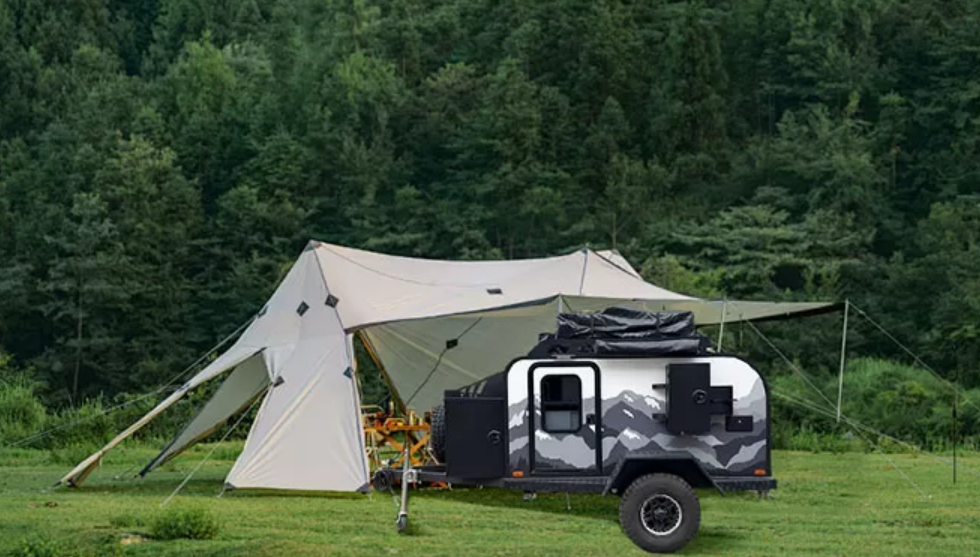
Modern travelers often expect caravans to handle remote terrain without sacrificing comfort or towing practicality. Aiymen develops off-road caravans with a focus on durability, lightweight engineering, and long-term usability across changing travel conditions.
Its caravan designs include:
Reinforced axle systems
All-terrain tires
Performance shock absorbers
Lightweight structural engineering
High ground clearance configurations
The company also offers flexible caravan layouts for solo travelers, couples, and families, allowing buyers to choose practical setups based on travel requirements.
As an experienced off road caravan manufacturer, the company supports both individual buyers and international dealers seeking customized off-road caravan solutions for different markets.
Conclusion
Durability in an off-road caravan depends on far more than rugged styling alone. Reinforced chassis systems, suspension quality, waterproofing, dust protection, and lightweight engineering all contribute to long-term reliability in demanding environments. Buyers who understand these structural factors are better prepared to choose caravans capable of handling years of remote travel with greater safety and confidence.