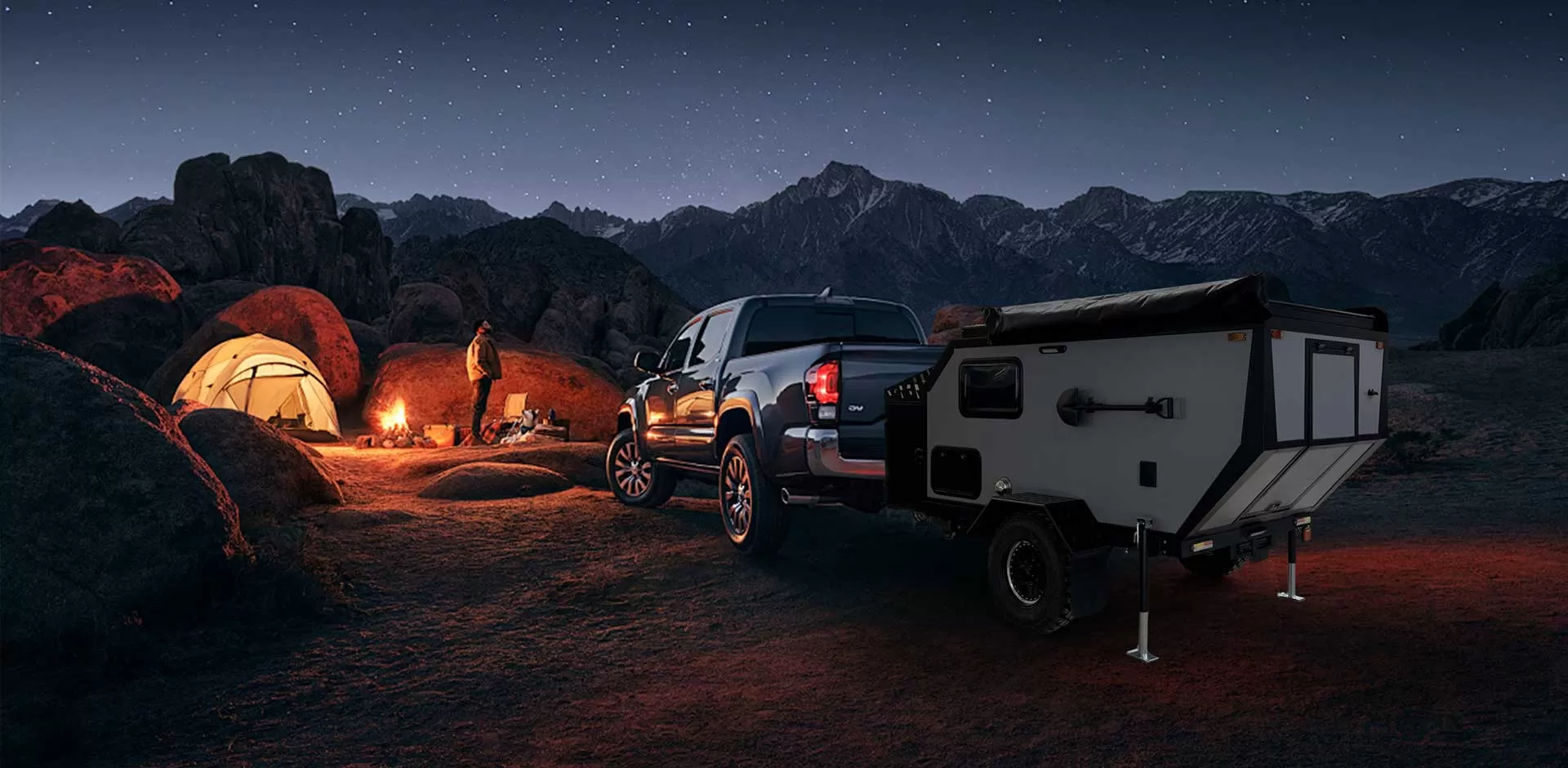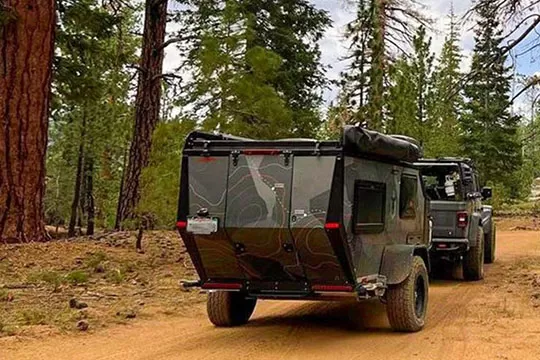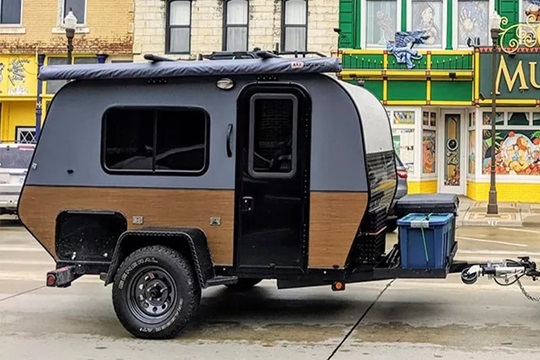



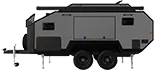
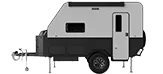

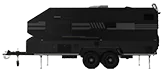

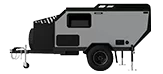













Off-road caravans are no longer limited to niche outdoor enthusiasts. More travelers now prefer remote camping, long-distance overland routes, and self-sufficient travel experiences that standard caravans often struggle to handle. As demand increases, buyers are paying closer attention to the companies behind the products rather than focusing only on appearance or price.
A caravan built for rough terrain must deliver durability, stability, and long-term reliability. These qualities depend heavily on manufacturing standards, engineering capability, and quality control. Choosing the right supplier can therefore make a significant difference in both safety and ownership experience.
Why Choosing the Right Off Road Caravan Manufacturer Matters
Unlike standard road caravans, off-road models are exposed to vibration, dust, uneven terrain, river crossings, and long-distance towing stress. Poor structural design or low-quality materials may lead to chassis fatigue, suspension problems, water leakage, or unstable towing performance.
A professional manufacturer does more than assemble components. It designs caravans specifically for real-world travel conditions. This includes testing structural stability, improving suspension systems, and balancing weight distribution for safer towing.
Experienced manufacturers also provide better long-term support, including spare parts availability, engineering consultation, and customization options for different travel needs.
Engineering Standards Behind High-Quality Off Road Caravans
The biggest difference between an ordinary caravan and an off-road caravan often lies underneath the body structure. A true off-road unit should be engineered to maintain stability and durability on rough tracks, steep inclines, and uneven surfaces. This requires more than aggressive styling or larger tires.
Several engineering features are commonly associated with high-quality off-road caravan construction:
Reinforced chassis structures
Independent or heavy-duty suspension systems
Performance shock absorbers
All-terrain tires
Increased ground clearance
Reinforced axle systems
Balanced towing geometry
The table below highlights key engineering differences between standard caravans and off-road caravans.
| Feature | Standard Caravan | Off-Road Caravan |
| Ground Clearance | Lower | Higher |
| Suspension Type | Standard suspension | Heavy-duty or independent suspension |
| Tire Design | Highway tires | All-terrain tires |
| Chassis Strength | Standard frame | Reinforced chassis |
| Terrain Capability | Paved roads | Rough and uneven terrain |
| Water Protection | Basic sealing | Enhanced waterproofing |
| Long-Distance Durability | Moderate | High |
Weight distribution is equally important. The U.S. National Highway Traffic Safety Administration notes that improper trailer balance can negatively affect towing stability and braking performance. Reliable caravan manufacturers therefore pay close attention to structural alignment and load positioning during production.
How Professional Manufacturers Ensure Durability and Safety
Durability is one of the most important factors in off-road caravan design because these vehicles are regularly exposed to demanding travel conditions.
High-quality manufacturers generally apply stricter testing standards than conventional caravan builders. This process often includes:
Waterproof testing
Towing stability tests
Suspension durability inspections
Electrical system checks
Dust resistance evaluations
Structural reinforcement inspections
Waterproofing is particularly important for long-distance travel. Continuous exposure to rain, mud, and humidity can damage poorly sealed caravans over time. Dust protection also matters because fine dust particles can affect storage compartments, electronics, and ventilation systems during desert or remote-area travel.
Many premium manufacturers now use lightweight yet durable materials to improve towing efficiency without sacrificing structural strength. Aluminum framing and reinforced joints are commonly used because they help reduce corrosion while maintaining long-term stability.
This engineering balance between durability and weight reduction has become increasingly important as more travelers tow caravans using SUVs rather than heavy-duty trucks.
Customization Capabilities for Different Travel Needs
Travel styles vary significantly between users, which is why customization has become a major part of the off-road caravan industry.
Some buyers prioritize lightweight compact trailers for solo expeditions, while others require larger family bunk caravans with additional storage and living space. Professional manufacturers should be able to adapt layouts and optional features to suit different markets and customer needs.
Customization options may include:
Sleeping and Living Configurations
Flexible sleeping arrangements, convertible seating, and family bunk layouts improve long-term travel comfort.
Off-Grid Systems
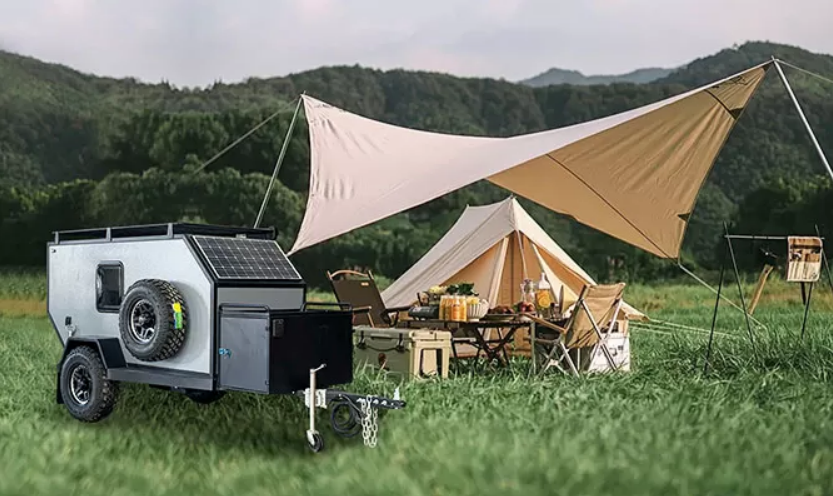
Solar panels, battery storage systems, and water tanks help travelers remain self-sufficient in remote locations.
Outdoor Equipment
Awnings, roof racks, outdoor kitchens, and recovery gear storage improve usability during extended expeditions.
OEM and Dealer Support
For distributors and caravan dealers, OEM and ODM customization allows branding adjustments, market-specific layouts, and product differentiation. This flexibility is especially valuable for international dealers that serve different camping environments and customer preferences.
Production Capacity and Long-Term Supply Reliability
Manufacturing quality is not only about engineering. Production stability also plays a major role, particularly for distributors and dealership partners.
An experienced off road caravan manufacturer should have reliable supply chain management, quality control systems, and scalable production capacity. Delays in production or inconsistent build quality can create long-term problems for dealers and buyers alike.
Professional manufacturers often invest in:
Dedicated engineering teams
Quality inspection procedures
Long-term supplier partnerships
Stable production scheduling
Export and logistics support
According to global RV market reports from Grand View Research, the recreational vehicle industry is expected to continue growing as outdoor travel and mobile lifestyles become more popular worldwide. This growth places additional pressure on manufacturers to maintain consistent quality standards while scaling production.
Why More Buyers Choose Aiymen Off Road Caravans
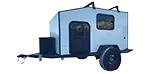
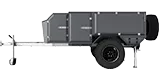
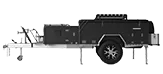
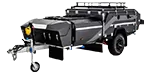
Many caravan buyers now look beyond pricing alone and focus more on durability, customization, and long-term reliability. Aiymen offers compact and lightweight off-road caravans engineered for improved ground clearance and demanding travel conditions. Its caravans include reinforced axles, all-terrain tires, and performance shock absorbers designed to improve stability on uneven roads and remote tracks.
The company also supports flexible orders for both personal buyers and distributors, including OEM and custom trailer configurations. Travelers can choose from compact off-road caravan trailers, family bunk caravans, and customizable expedition-ready setups depending on their travel goals.
In addition to product flexibility, the company emphasizes engineering support, manufacturing reliability, and long-term cooperation for global dealer partnerships.
Conclusion
A high-quality off-road caravan depends on far more than appearance or price. Engineering standards, durability testing, suspension design, and manufacturing consistency all play a critical role in long-term reliability and travel safety. Buyers who carefully evaluate the experience and capabilities of a manufacturer are more likely to invest in a caravan that performs reliably across years of remote travel and changing terrain.