



















Modern overland travel is no longer limited to short weekend camping trips. More travelers are planning multi-day remote expeditions where access to electricity, clean water, and repair facilities may be limited. In these environments, caravan configuration becomes far more important than appearance alone.
A properly equipped off-road caravan can improve comfort, energy independence, and long-distance reliability during remote travel. However, many buyers focus only on exterior styling without considering whether the caravan is actually suitable for extended off-grid use.
Before choosing optional features, travelers should first understand how power systems, water capacity, storage layouts, and suspension setups work together in real-world conditions.
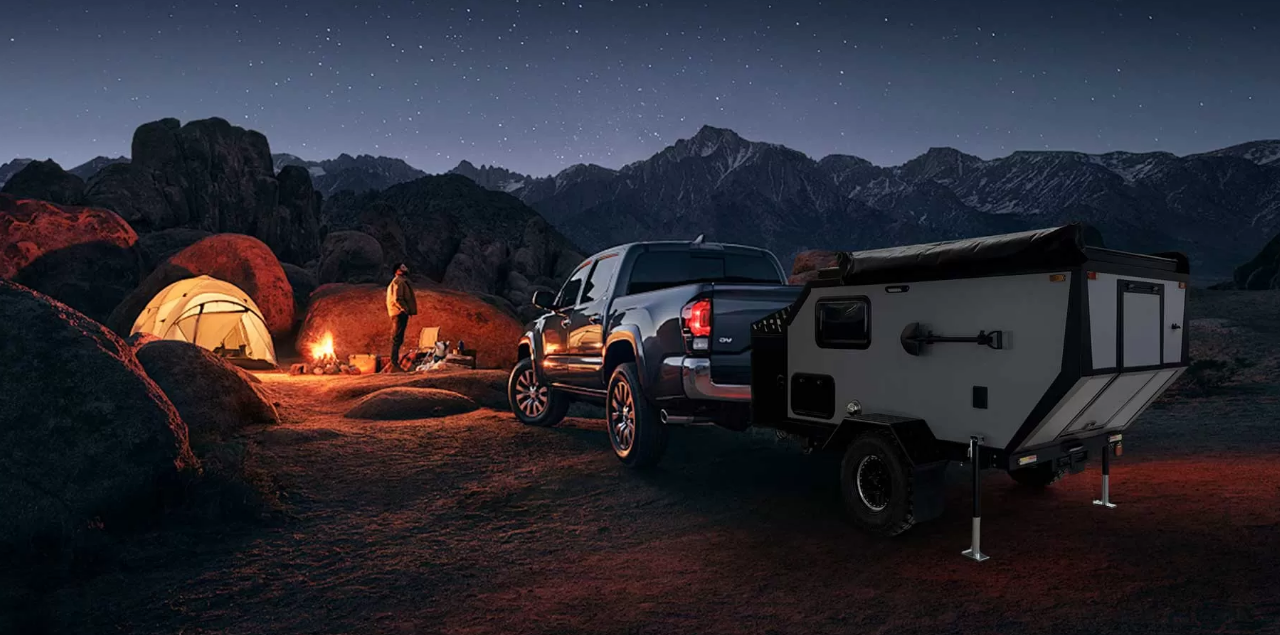
Why Off-Grid Capability Matters for Modern Travelers
Off-grid travel gives caravan owners greater flexibility and independence. Instead of relying on crowded campgrounds or powered sites, travelers can stay in remote areas for longer periods while maintaining access to essential resources.
This growing travel style has contributed to rising demand for compact expedition-ready campers. According to the Caravan Industry Association of Australia, self-sufficient caravanning and remote touring remain major drivers of off-road caravan demand, especially among long-distance travelers.
An off-grid-ready caravan is designed to support essential daily activities without external hookups. These typically include:
Power generation and storage
Water supply systems
Cooking facilities
Food storage
Ventilation and climate management
Recovery and utility storage
The goal is not simply luxury. It is practical self-sufficiency during unpredictable travel conditions.
Choosing the Right Power and Solar System
Reliable power systems are one of the most important parts of an off-grid caravan setup. Travelers now depend on electricity for refrigeration, lighting, communication devices, water pumps, ventilation fans, and charging equipment. Without proper energy planning, even short expeditions can become inconvenient.
Most modern caravans use a combination of:
Solar panels
Lithium batteries
DC charging systems
Inverters
Battery management systems
The ideal setup depends on travel duration and power consumption habits.
The table below outlines common off-grid power configurations.
| Travel Style | Recommended Battery Setup | Solar Capacity |
| Weekend Trips | Single lithium battery | 100–200W |
| Extended Camping | Dual lithium batteries | 200–400W |
| Long Remote Expeditions | Large battery bank | 400W+ |
Solar systems help reduce generator dependence while improving long-term energy efficiency. Lithium batteries are also becoming increasingly common because they provide longer cycle life and lower weight compared to traditional lead-acid batteries.
The U.S. Department of Energy notes that lightweight energy systems can improve towing efficiency by reducing total trailer weight, which is especially important during long-distance travel.
Water Storage and Kitchen Setup for Extended Trips
Water management becomes critical during remote expeditions, particularly in regions where refill points may be far apart.
Travelers should consider:
Fresh water capacity
Grey water storage
Pump reliability
External shower systems
Water filtration options
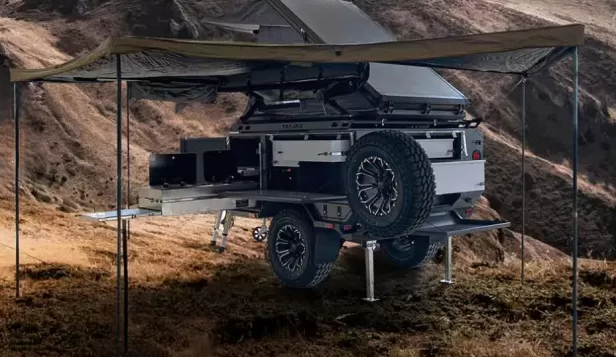
Larger water tanks allow longer stays in remote areas but also increase towing weight. A balanced approach is therefore necessary. Outdoor kitchen systems are another important consideration. Many travelers now prefer rear kitchen layouts because they maximize interior sleeping space while improving outdoor usability.
A functional off-grid kitchen setup may include:
Slide-out cooking systems
Refrigeration units
Storage drawers
Foldable preparation surfaces
Gas cooking equipment
Efficient kitchen layouts reduce unnecessary clutter and make long-term travel more comfortable.
Suspension, Tires, and Ground Clearance Essentials
Rough terrain places significant stress on caravan suspension systems. Corrugated roads, steep inclines, mud tracks, and rocky surfaces can quickly expose weaknesses in poorly equipped trailers.
A properly configured off-road caravan should include:
Heavy-duty suspension
Reinforced axles
Performance shock absorbers
All-terrain tires
Adequate ground clearance
These components improve stability while reducing vibration damage during long-distance towing.
Ground clearance is particularly important when crossing uneven terrain or water obstacles. Limited clearance may increase the risk of underbody damage, especially on remote tracks.
Tire selection also affects performance. All-terrain tires provide better traction and durability than standard highway tires, especially in sand, gravel, or wet conditions. Many experienced travelers also carry recovery equipment and spare tires for added safety during isolated expeditions.
Interior Layouts for Comfort During Long Expeditions
Interior design becomes increasingly important during extended travel because small inconveniences become more noticeable over time. A practical layout should balance comfort, storage efficiency, and weight management.
Common configuration priorities include:
Sleeping Arrangements
Couples may prefer fixed double beds, while families often require bunk layouts or convertible sleeping systems.
Ventilation and Climate Control
Roof vents, windows, and insulation help improve airflow and reduce interior heat buildup.
Storage Accessibility
Well-positioned cabinets and under-bed storage areas improve organization during long trips.
Multi-Functional Furniture
Convertible seating and folding tables help maximize usable space without increasing caravan size. Compact layouts are often more practical for remote travel because they reduce towing weight and improve maneuverability on narrow tracks.
How Aiymen Builds Off-Grid Ready Off Road Caravans
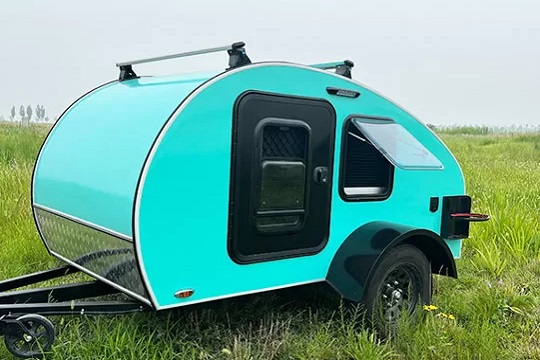
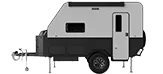
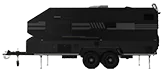
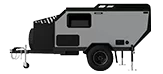
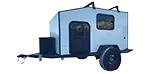
Travelers increasingly expect caravans to combine comfort with durability and self-sufficiency. Aiymen designs off-road caravans with this balance in mind, offering lightweight and compact trailers engineered for improved ground clearance and remote travel conditions.
The company provides multiple customization options, including:
Solar system integration
Roof racks and outdoor accessories
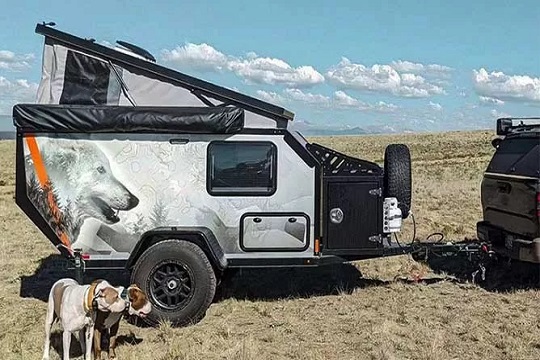
Family bunk layouts
Compact expedition-ready configurations
Reinforced axle systems
Performance suspension components
Its caravans are designed for travelers who want flexibility across different travel environments, from weekend camping to long-distance off-grid touring.
As an experienced off road caravan manufacturer, the company also supports flexible order quantities and customized solutions for distributors and dealers in different international markets.
Conclusion
A well-configured off-road caravan can significantly improve comfort, independence, and reliability during extended expeditions. Choosing the right power systems, suspension setup, water storage, and interior layout helps travelers prepare for real off-grid conditions rather than short recreational trips alone. Careful planning before purchase often leads to safer, more efficient, and more enjoyable long-distance travel experiences.