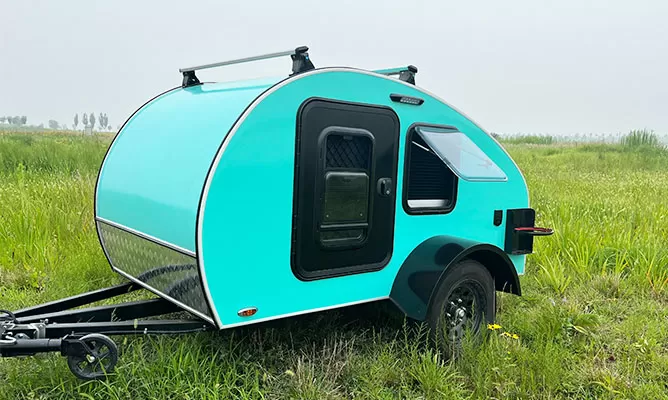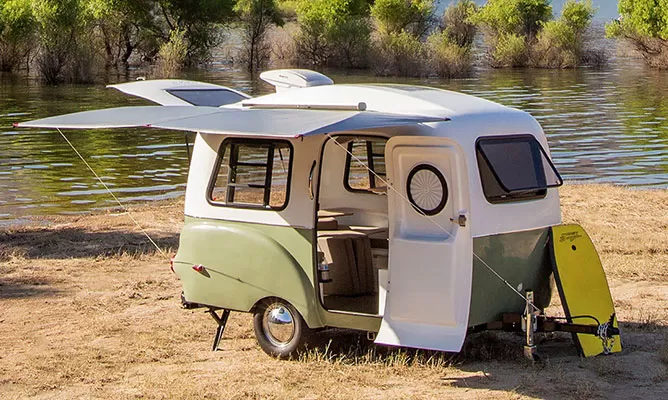

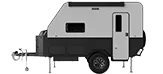
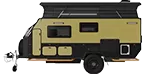
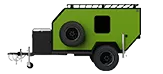
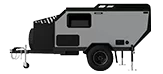

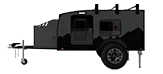
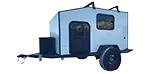
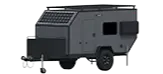

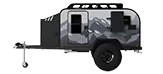
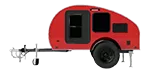




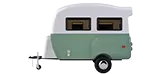
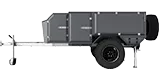
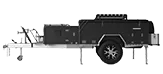

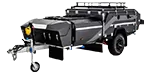

Teardrop trailers continue to attract outdoor travelers looking for a lightweight and practical alternative to large RVs. Their compact size, lower fuel consumption, and easier towing experience make them suitable for weekend trips, overland adventures, and long-distance road travel.
However, buyers often face an important question before purchasing: should they choose a standard factory-built trailer or invest in a custom model? The answer depends on travel habits, budget expectations, towing needs, and long-term value.
Understanding the real differences between these two trailer types can help buyers avoid overspending while choosing a setup that works for years rather than a single season.
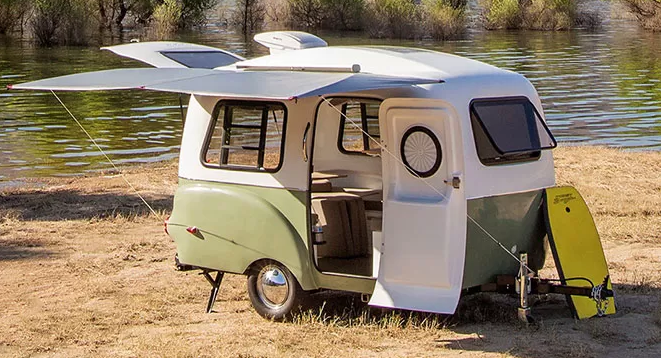
What Is the Difference Between a Custom and Standard Teardrop Trailer?
A standard teardrop trailer is usually built with fixed layouts and pre-selected features. These models are designed for mass production, which helps reduce manufacturing costs and delivery times.
A custom trailer, by comparison, allows buyers to adjust the configuration according to their own travel style. Instead of accepting a fixed design, owners can select sleeping arrangements, storage layouts, kitchen systems, energy setups, and outdoor accessories.
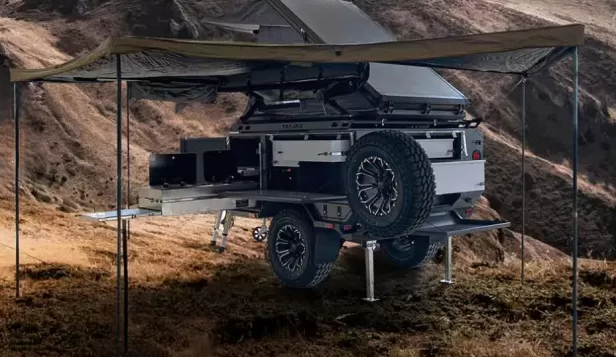
This flexibility explains why demand for custom teardrop trailer for sale options has increased in recent years. Many buyers now want campers that support specific lifestyles such as off-grid camping, overland travel, or family road trips.
Customization may include:
Rear kitchen modules
Roof racks and awnings
Solar charging systems
Bathroom configurations
Interior finishes
Additional storage compartments
OEM or branding options for dealers
For many travelers, the decision is no longer simply about buying a trailer. It is about choosing a trailer that matches how they actually travel.
Comparing Cost, Features, and Long-Term Value
Price is often the first factor buyers consider, but long-term value matters just as much as the initial purchase cost. Standard trailers generally have a lower upfront price because manufacturers use fixed production processes and identical layouts. Custom campers usually cost more at the beginning because of personalized engineering, upgraded materials, and optional equipment.
However, lower cost does not always mean better value over time.
The table below highlights the main differences between standard and custom teardrop campers.
| Feature | Standard Trailer | Custom Trailer |
| Initial Cost | Lower | Higher |
| Layout Options | Fixed | Flexible |
| Storage Solutions | Limited | Customized |
| Off-Grid Features | Basic | Advanced options available |
| Bathroom Availability | Rare | Optional |
| Delivery Time | Faster | Longer |
| Long-Term Adaptability | Moderate | High |
| Dealer Branding Support | Limited | OEM/ODM available |
Buyers planning long-term travel may find that customized layouts reduce the need for future upgrades or modifications. For example, adding solar systems, roof racks, or extra batteries later can become more expensive than installing them during production
.A thoughtfully designed camper can also improve resale value because buyers increasingly prefer practical layouts and energy-efficient setups.
Which Trailer Type Offers Better Comfort and Flexibility?
Comfort inside a compact trailer depends heavily on layout efficiency. Standard trailers often focus on universal configurations that work reasonably well for most users. While practical, these layouts may not fully suit travelers with specific camping habits. Custom campers offer greater flexibility in several important areas.
Sleeping Configuration
Solo travelers may prefer a compact single-bed setup that maximizes storage space. Couples often choose double-bed layouts with additional ventilation and reading lights. Families may require convertible seating arrangements for additional sleeping capacity.
Bathroom Options
Many standard compact campers do not include bathrooms due to space limitations. Larger custom models can integrate compact bathroom solutions for improved convenience during long trips.
Storage Design
Custom-built layouts allow buyers to optimize under-bed compartments, overhead cabinets, and rear cargo areas based on their gear requirements.
Outdoor Living Features
Rear kitchen systems, awnings, roof racks, and portable cooking setups can significantly improve camping flexibility without increasing trailer size excessively. This adaptability is one reason many experienced travelers now prioritize personalized layouts over standardized factory configurations.
Lightweight Engineering and Towing Advantages Compared
Weight is one of the biggest advantages of teardrop campers compared to traditional travel trailers. Many compact teardrop campers weigh between 1,000 and 2,000 pounds before cargo is added, making them easier to tow than larger RVs. Modern lightweight engineering also improves stability and durability.
Manufacturers increasingly use:
Lightweight aluminum framing
CNC-cut composite panels
Reinforced structural joints
Aerodynamic body shapes
These materials help reduce overall towing weight while maintaining structural strength.
Aiymen uses aluminum framing, reinforced joints, and waterproof testing processes to improve long-term reliability across both compact and larger teardrop travel trailer models. This engineering approach supports easier towing while maintaining stability on highways and light off-road terrain.
For SUV owners, lightweight construction can also reduce fuel consumption and make parking significantly easier than towing large travel trailers.
Who Should Choose a Custom Built Teardrop Camper?
Not every traveler needs the same type of trailer. Choosing the right camper often depends on how frequently it will be used and where it will travel.
Solo Travelers
Compact lightweight campers with basic sleeping and storage systems are often sufficient for short trips and minimalist travel.
Couples
Couples usually benefit from upgraded sleeping areas, rear kitchens, and improved ventilation systems for extended road trips.
Families
Larger custom layouts with bathroom options and additional storage are more practical for family travel.
Rental Businesses
Rental companies often prefer durable and easy-to-maintain trailers with flexible interior configurations.
Dealers and Distributors
OEM and ODM customization allows dealers to create region-specific trailer models with customized branding and feature packages.The ability to tailor features for different users is one of the biggest advantages of custom-built campers.
Why More Buyers Are Choosing Aiymen Custom Teardrop Trailers
As buyers become more focused on long-term usability, manufacturers with flexible production capabilities are receiving greater attention.
Aiymen produces compact teardrop campers, off-road-ready models, and customizable travel trailers designed for both personal use and dealership supply. The company offers OEM and ODM support for branding, packaging, energy systems, and market-specific modifications.Its production process includes:
Lightweight aluminum framing
CNC-cut construction panels
Reinforced structural connections
Waterproof and towing stability testing
Flexible trailer configuration options
In addition to individual buyers, the company also supports rental businesses and international trailer distributors through stable manufacturing capacity and long-term supply cooperation programs.
Conclusion
Choosing between a custom and standard teardrop trailer depends on travel habits, towing requirements, and long-term expectations. Standard models may offer lower upfront costs, while custom campers provide greater flexibility, comfort, and adaptability over time. Buyers who prioritize personalized layouts, lightweight engineering, and long-term usability often find that customized teardrop trailers offer better overall value for modern outdoor travel.